What is Translation Memory and How Does It Work?
Translation memory is a powerful tool in the translation industry. It helps streamline the translation process by storing previously translated segments. According to a report by the Globalization and Localization Association (GALA), 75% of companies use translation memory to improve efficiency. This strategy not only enhances consistency but also reduces time and costs. As businesses expand globally, the demand for swift and accurate translations increases.
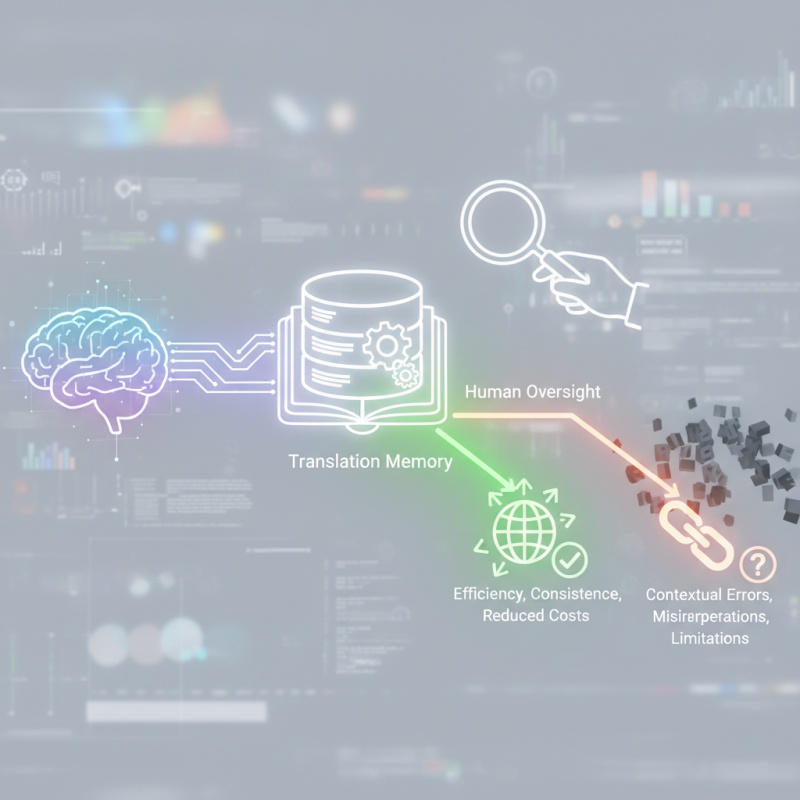
Despite its benefits, translation memory is not flawless. Translators must ensure that the stored segments are relevant and contextually appropriate. Relying solely on technology may lead to misinterpretations or awkward phrases. A study by the Localization Industry Standards Association (LISA) suggests that inadequate use of translation memory can result in inconsistent translations. The need for human oversight remains crucial.
The technology behind translation memory can sometimes lag behind linguistic nuances. While it accelerates the work, it can also create challenges. For example, idiomatic expressions or cultural references may not be captured correctly. In a world where language is constantly evolving, the limitations of translation memory are significant. Therefore, understanding its strengths and weaknesses is essential for effective translation strategies.
What is Translation Memory?
Translation memory (TM) is a vital tool within the translation industry. It stores previously translated segments of text. These segments can be sentences, paragraphs, or phrases. The aim is to improve consistency across translations and boost efficiency. According to a report by Common Sense Advisory, using TM can enhance productivity by 30% to 50%. This means that translators can deliver work faster while maintaining quality.
TM works by analyzing new content against existing translations. When a translator encounters a phrase or sentence, the system checks if there's a match. A 100% match indicates an exact repeat. A fuzzy match shows similar content but not exact. This guiding system not only speeds up the process but also helps maintain terminology. However, translators must scrutinize TM suggestions. Not every match is optimal and may require adjustments to fit the context.
Despite its advantages, TM has limitations. It's only as good as the data fed into it. Outdated translations can lead to errors. Also, cultural nuances might be overlooked when relying solely on TM. A report from TAUS indicates that 72% of translators still prefer human judgment over TM suggestions. Balancing technology and human expertise remains crucial in the translation process.
Translation Memory Usage Statistics
This chart represents various aspects of Translation Memory usage, including the adoption of systems, supported file formats, translation speed improvements, cost reduction, and user satisfaction levels.
The Purpose and Benefits of Translation Memory
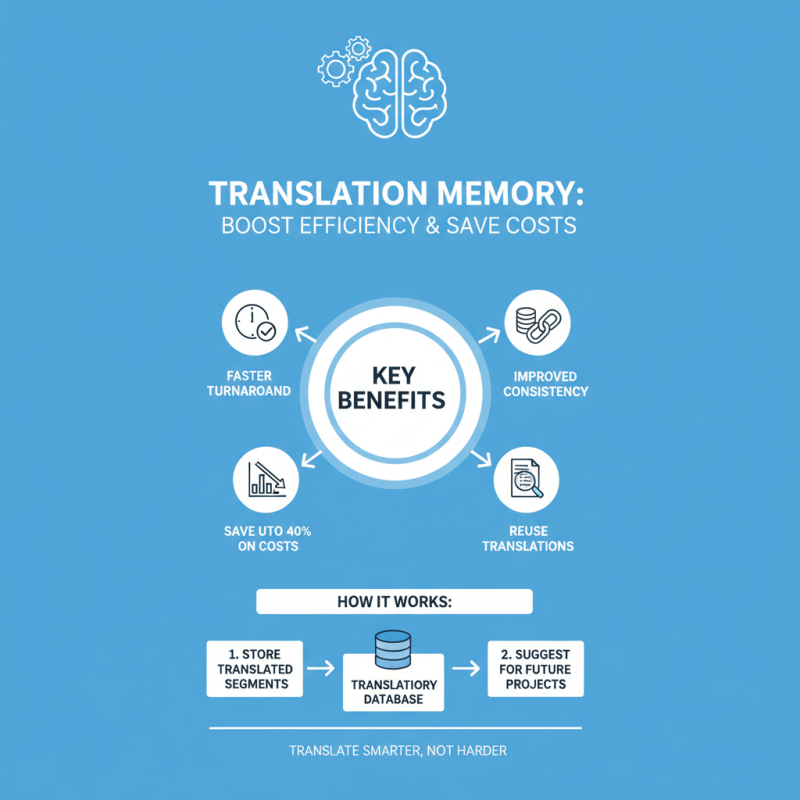
Translation Memory (TM) is a tool that enhances the efficiency of translators. It stores previously translated segments and suggests them for future use. This saves time and maintains consistency in translations. According to industry reports, utilizing TM can reduce translation costs by up to 40% for large projects. It also improves turnaround times.
One key benefit of TM is improved accuracy. Consistency in terminology is crucial, especially in technical fields. When translators use a TM, they can ensure that specific terms are translated the same way each time. However, it's not infallible. TMs rely heavily on human input. If the initial translations are flawed, mistakes can propagate through future projects.
Another advantage is easy scalability. Agencies can handle more projects simultaneously. Reports indicate that businesses using TM can increase their workload by 30% without compromising quality. Yet, relying solely on TM may lead to a loss of creativity. It’s vital for translators to balance the use of TM with their skills and intuition. Thus, TM is a powerful tool, but should be used thoughtfully.
How Translation Memory Works: An Overview
Translation Memory (TM) is a powerful tool in the world of translation. It stores previously translated sentences and phrases for future use. This database allows translators to retrieve and reuse past translations, increasing efficiency.
When a new text is translated, TM highlights any segments that match previous entries. This process saves time, but it’s not always perfect.
Errors can occur when the context changes. A term that fits one scenario may not suit another. Translators must carefully review each suggestion from the TM. Sometimes, context clues lead to mismatches. Relying too heavily on TM may reduce the natural flow of the translation. It's essential to find balance in using TM and maintaining the quality of translated content.
In practice, TM works in various stages. Initially, the translator breaks the text into segments. TM predicts translations based on past data. However, the translator must assess each suggestion. This part can be tedious but vital for accuracy.
Understanding the limitations of TM is critical. Each project may require a fresh perspective, even with a handy memory tool.
Key Components of a Translation Memory System
A Translation Memory (TM) system is designed to aid translators by storing and reusing previous translations. One key component of a TM system is the database. This database holds segments of text, usually sentences or phrases, along with their translations. When a translator works on a new text, the TM offers suggestions based on these stored segments. This process saves time and ensures consistency across projects.
Another essential element is the matching algorithm. This algorithm compares new text with existing segments in the TM. It determines how closely they match. A ‘fuzzy match’ occurs when the new text is similar, but not identical, to a previous translation. This can be tricky. Depending on the context, a fuzzy match might not always work. Translators need to review these suggestions carefully.
Finally, user interfaces are crucial. A good interface makes it easy for users to access and navigate the TM. Complicated designs can lead to confusion. Efficient interfaces boost productivity but require regular updates to remain user-friendly. Balancing functionality with simplicity is a constant challenge.
Best Practices for Using Translation Memory in Translation Projects
Translation Memory (TM) plays a crucial role in modern translation projects. To maximize its potential, best practices must be followed. Language professionals should ensure that TM databases are regularly updated. According to industry reports, 90% of translators believe that a well-maintained TM database can significantly reduce translation time and costs.
Another key practice is segment consistency. When translating, use similar phrases consistently to enhance quality. This can lead to a 20-30% decrease in post-editing hours. Translators often overlook the importance of keeping source texts clean. Unnecessary formatting or comments can clutter the TM and distract from the core translation tasks.
Training on TM tools is essential. Many translators do not fully utilize TM features. A survey found that 70% of professionals feel they could benefit from further training. Translators should regularly reflect on their TM usage, assessing what works and what doesn't. This practice encourages adaptability, improving overall efficiency and output quality. The goal is to create a TM that not only supports fast translations but also fosters accuracy and consistency.
What is Translation Memory and How Does It Work?
| Aspect |
Details |
| Definition |
Translation Memory (TM) is a database that stores previously translated segments, allowing for reuse in future translations. |
| Purpose |
Aims to improve consistency across translations and reduce time and costs for future projects. |
| How It Works |
When a segment is translated, it is saved in the TM. For subsequent translations, the system checks the TM for matches. |
| Types of Matches |
Exact Matches, Fuzzy Matches (similar but not identical), and New Content. |
| Best Practices |
Regularly update TM, ensure high-quality translations, and categorize segments appropriately. |
| Benefits |
Increases efficiency, consistency, collaboration among translators, and reduces overall project cost. |
| Challenges |
Maintaining TM, ensuring relevance of stored segments, and potential over-reliance on TM. |