What is the Importance of Localisation Tools for Businesses?
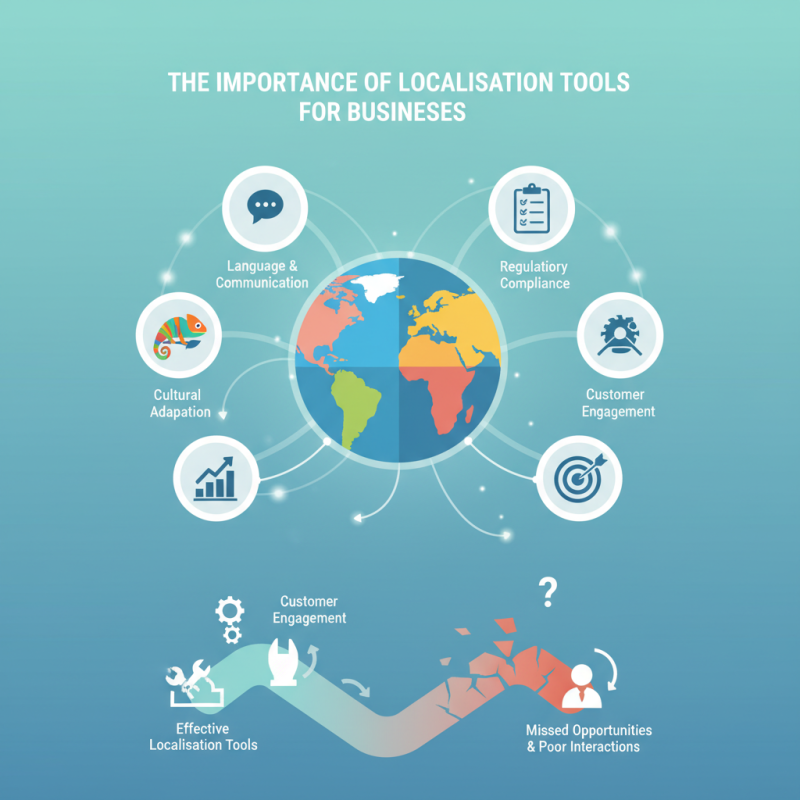
Localisation tools are essential in today’s global marketplace. They help businesses adapt to local cultures, languages, and preferences. As Dr. Emily Johnson, a leading expert in the localisation industry, once stated, “Effective localisation tools can bridge the gap between companies and their diverse audience.” This quote highlights the critical role that these tools play in customer engagement.
In an era where consumers expect tailored experiences, localisation tools enable businesses to meet these demands. The right tools allow for translation, cultural adaptation, and regulatory compliance. However, many companies overlook the importance of investing in quality localisation tools. This oversight can lead to missed opportunities and poor customer interactions.
Localisation tools are not just a luxury; they are a necessity. Companies must embrace these tools to thrive in multiple markets. Yet, many businesses still struggle with implementation. There’s a need to reflect on how current strategies may fall short. Localisation is not only about words; it’s about understanding people's needs and providing relevant experiences.
Understanding Localisation Tools and Their Functions
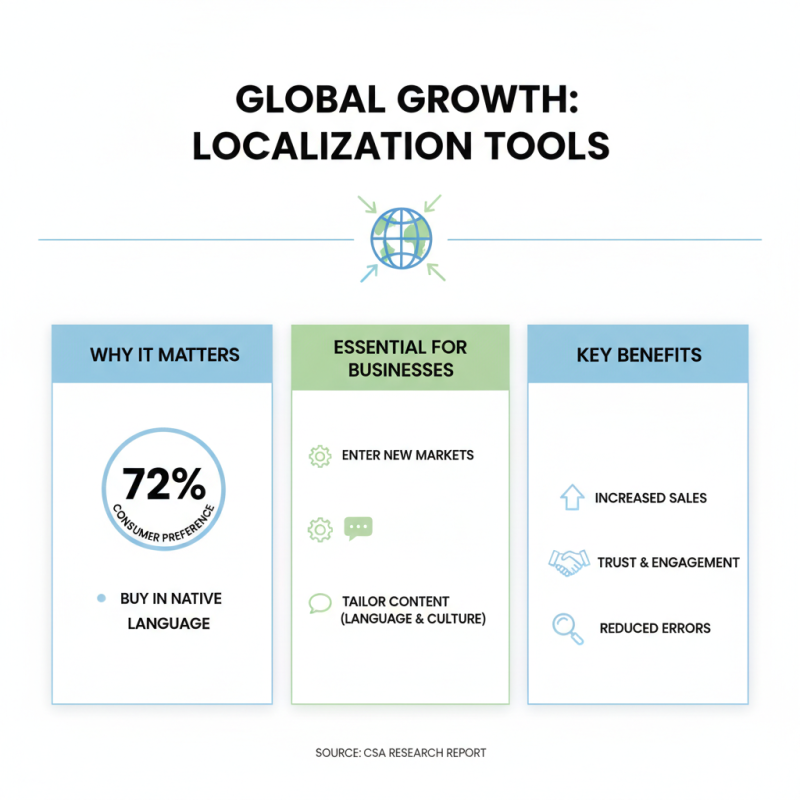
Localisation tools are essential for businesses seeking to enter new markets. These tools help tailor content to specific languages and cultures. In fact, 72% of consumers prefer to buy products in their native language, according to a report from CSA Research. This preference highlights the need for effective localisation.
Understanding the functions of localisation tools can enhance customer engagement. They facilitate the translation of websites and marketing materials. This process involves more than simple word translation; it includes cultural adaptation. For example, colors and imagery must resonate with local customs. A mismatch can lead to misunderstandings or even offense.
Many companies underestimate the importance of localisation. A recent study indicates that 40% of businesses fail to localise adequately before launching. This shortfall can result in lost revenue opportunities. Moreover, improper localisation can damage a brand's reputation. Reflecting on past mistakes can help businesses avoid pitfalls in the future.
The Role of Localisation in Global Market Expansion
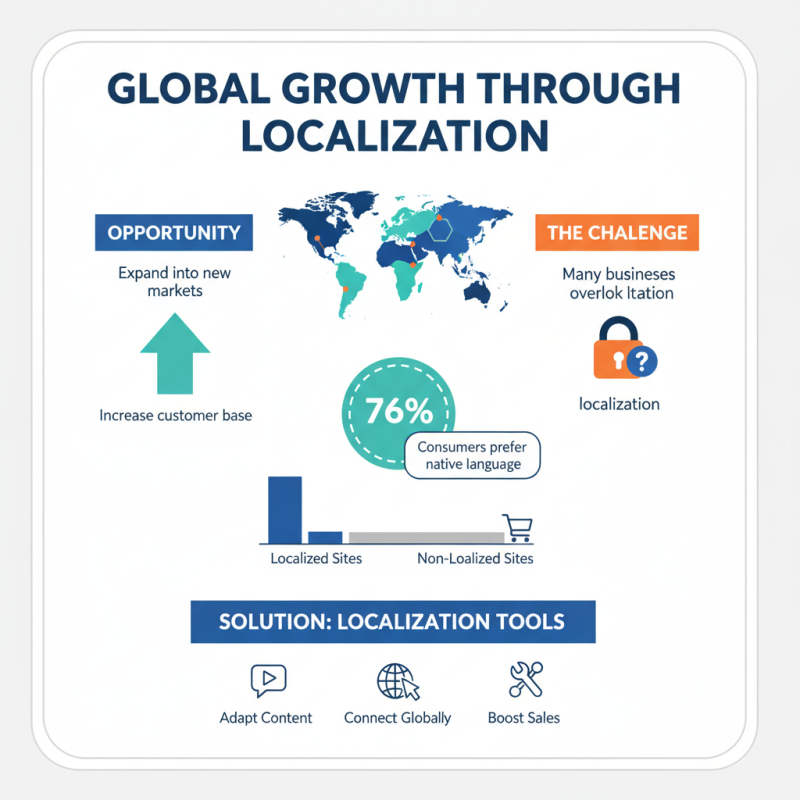
Expanding into global markets offers significant opportunities for growth. However, many businesses overlook the role of localisation. According to a study by CSA Research, 76% of consumers prefer to purchase from sites in their native language. This highlights the crucial need for localisation tools.
Localisation go beyond simple translation. It involves cultural adaptation, which can be challenging. A report from Common Sense Advisory indicates that 40% of respondents won't buy products if information is not in their language. This is a substantial risk for companies aiming for international expansion. Localisation can enhance customer experience by providing familiar environments. Yet, not all businesses invest adequately in these tools. Some may underestimate the complexities involved.
Localisation can also impact branding. Missteps in cultural nuances can lead to negative perceptions. For instance, a phrase that works in one culture may be offensive in another. As a result, brands must tread carefully. Awareness of local trends and preferences is essential. The right localisation tools can help businesses bridge these gaps, making a lasting impression on diverse markets.
Benefits of Localisation for Enhancing Customer Experience
Localisation tools play a crucial role in enhancing customer experience for businesses. A study by Common Sense Advisory found that 75% of consumers prefer to buy products in their native language. This statistic emphasizes the need for businesses to invest in localisation. By translating content accurately, businesses can build trust. It makes customers feel understood and respected.
Effective localisation goes beyond translation. It includes adapting cultural references and local preferences. For instance, using local currency and measurements can enhance user experience significantly. Data from CSA Research shows that 60% of consumers rarely or never buy from English-only websites. This gap highlights the risk businesses face without proper localisation.
**Tips:** Consider A/B testing different language versions of your content. Collect feedback from users in various regions. This approach can reveal hidden insights.
Another critical point is local imagery. Using images that resonate with the target audience can improve engagement. However, businesses sometimes overlook this aspect. A mismatch between visuals and culture can confuse users. Tools like automated image recognition can help identify suitable alternatives. It's essential to ensure that the emotional tone matches local expectations. A slight error in this can lead to lost sales.
Importance of Localisation Tools for Businesses
Key Features to Look for in Localisation Tools
When businesses expand globally, effective localization tools are essential. These tools help companies adapt their content for various cultures and languages. Key features to consider include translation memory, glossary management, and user-friendly interfaces. According to a report from Common Sense Advisory, 75% of consumers prefer to buy products in their native languages. This statistic highlights the critical need for businesses to invest in efficient localization strategies.
Translation memory helps save time and costs over repetitive tasks. It stores previously translated segments for future use. However, relying solely on this feature can lead to inconsistencies. Glossary management ensures specific terms are used accurately. This is crucial for maintaining brand voice across different languages. A lack of attention here can confuse customers.
An intuitive interface is vital for team collaboration. Projects often involve multiple stakeholders. If a tool is difficult to navigate, workflows may suffer. A 2023 report found that 60% of localization managers struggled with inefficient tools impacting project timelines. Businesses should be wary. Not every tool meets their specific needs. Evaluating different options is necessary before making a decision.
What is the Importance of Localisation Tools for Businesses? - Key Features to Look for in Localisation Tools
| Feature |
Description |
Importance |
| Translation Memory |
Stores previously translated segments for reuse to enhance consistency. |
Reduces costs and speeds up the translation process. |
| Collaboration Tools |
Facilitates communication among translators, editors, and project managers. |
Improves coordination and efficiency in translation projects. |
| Automated QA Checks |
Automated checks for common errors in translations. |
Enhances the quality of translations and reduces manual review time. |
| Format Support |
Supports various file formats, including websites, apps, and documents. |
Ensures the tool can handle different types of content seamlessly. |
| Scalability |
Allows businesses to scale the translation process as demand increases. |
Supports growth and expanding translations to new markets. |
Challenges of Localisation and How Tools Can Address Them
The global market is evolving rapidly. Localization poses unique challenges for businesses aiming to expand. A recent study showed that 76% of consumers prefer buying products in their native language. Yet, many companies struggle with this. Understanding cultural nuances is hard. Misinterpretation can lead to costly mistakes.
Localization tools can significantly ease these challenges. They streamline the translation process. According to a report by CSA Research, businesses that use localization tools meet customer expectations 62% more often. These tools also help ensure consistency across various languages. Utilizing automated quality assurance can reduce errors, which enhances brand perception.
However, relying solely on technology can be risky. Automated translations might miss cultural subtleties. It’s important to have human oversight. Companies should analyze the efficiency of their tools regularly. Engaging local experts can also enhance accuracy. Balancing technology and human insight often requires ongoing reflection and adjustment.