How to Choose the Best Translation Software for Your Business?
In today's globalized market, selecting the right translation software for business is crucial. Companies often face challenges in finding a solution that aligns with their specific needs. Effective communication is key to building strong relationships with international clients. Translation software can facilitate this process, but not all options are created equal.
Consider the features that matter most to your business. Some programs excel in accuracy, while others focus on speed. It’s essential to evaluate how each tool integrates with your existing workflows. While most software claims to provide seamless translations, user feedback may reveal otherwise. Exploring reviews can uncover insights that highlight strengths and weaknesses.
Furthermore, investing in translation software for business requires careful consideration of costs versus benefits. Are you purchasing a tool that meets the demands of your industry? Are there flexible pricing plans to fit your budget? Ultimately, the right choice will enhance productivity and improve customer satisfaction. Investing time in research will pay off in the long run.

Assessing Your Business Needs for Translation Software
When considering translation software, it’s crucial to assess your business needs thoroughly. Start by identifying the specific languages your business relies on. Do you require technical translations or marketing content? The type of content shapes what software suits you best. It’s important to think about the volume of text. Frequent, large projects may require robust tools. Smaller, occasional jobs can benefit from simpler solutions.
Evaluate whether collaboration is essential for your team. Some software allows multiple users to work on translations simultaneously. This feature can enhance productivity and ensure consistency. Also, think about the integration with existing tools. If your team uses content management systems, seamless integration can save time. Reflect on your team's language proficiency too. A software that offers suggestions can be a great asset for non-expert users.
Finally, consider your budget. High-priced options may seem appealing but don’t always guarantee the best results. Sometimes, budget-friendly tools can meet your needs effectively. Research user reviews and ask for demos. Feedback from others can guide your decision. Ultimately, choosing the right translation software requires a careful balance of your requirements and available resources.
Key Features to Look for in Translation Software
When selecting translation software for your business, there are key features to prioritize. The software's ability to support multiple languages is crucial. Companies should consider that 72% of consumers only engage with content in their native language. This emphasizes the need for software that covers a wide range of languages.
Another important aspect is usability. A user-friendly interface can significantly reduce the learning curve. According to a study by the Software Usability Research Lab, up to 50% of users abandon complex software after a frustrating experience. Ensuring that team members can navigate the software easily can enhance productivity and reduce errors.
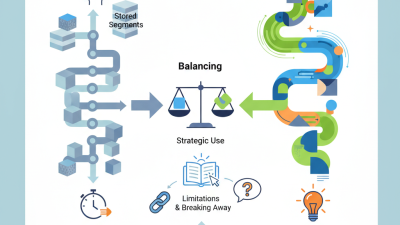
Moreover, incorporate translation memory features. This tool can store previously translated phrases for reuse. Reports show that translation memory can reduce translation costs by up to 40%. However, relying solely on this feature may lead to outdated or irrelevant translations if not regularly updated. Balancing automation with human input is vital to maintaining quality. These aspects can guide businesses in making informed choices for their translation needs.
Evaluating Translation Accuracy and Quality
Choosing the right translation software involves assessing translation accuracy and quality thoroughly. A recent study indicated that 75% of businesses consider translation quality as critical to their success. High-quality translation enhances communication and maintains brand integrity across global markets.
When evaluating translation software, look for features that ensure accuracy. Machine learning capabilities can improve translation over time. However, some reports suggest that even advanced systems may struggle with idiomatic expressions. Regular updates and user feedback can enhance software performance.
Tips: Prioritize user reviews. Users often share insights about translation quality. Conduct trials with multiple languages to evaluate performance. Also, consider using software with built-in glossaries to maintain consistency in specialized terms.
Understanding the nuances of language is vital. Many translation tools fail to capture cultural context. This can lead to misinterpretation. Businesses should be cautious and consider seeking human review for critical translations.
Cost Considerations and Budgeting for Translation Software
When considering translation software, budgeting is crucial. The costs can vary widely among options. It's important to assess your specific needs. Analyze the volume of content you need to translate. More extensive projects may require software with higher costs but also greater efficiency.
Consider the features each software offers. Some tools are more straightforward but may lack advanced functionalities. Others provide full features, which can be overwhelming at first. You might find that a basic tool suffices for smaller tasks, while complex projects require advanced capabilities.
Don’t overlook the total cost of ownership. Subscription fees can add up over time. Check for hidden charges, such as extra fees for additional languages or customer support. Balancing quality and price is demanding. Allocate a flexible budget. This allows you to adjust based on your growing translation needs. Keeping an eye on both current and future expenses will offer more clarity.
User Support and Resources Available for Translation Tools
When choosing translation software, user support is crucial. Software development can be complex and users might face challenges. Effective user support ensures that businesses can quickly resolve issues. Look for tools that provide multiple channels for support. Options like live chat, email, and phone support can make a difference.
Training resources are also important. Comprehensive documentation, video tutorials, and FAQs build user confidence. A good translation tool should have clear guides for both beginners and advanced users. It’s essential that these resources are accessible and easy to understand. Some tools may lack sufficient user education materials. This can lead to frustration and lower productivity.
Feedback from real users can highlight these flaws. Reviews and community forums are valuable. Join discussions to see what others are experiencing. This open dialogue can reveal strengths and weaknesses in user support. Ultimately, a well-supported translation tool enhances productivity and effectiveness for your business.